Healthcare

Empower clinical and operational teams with responsible AI skills

Healthcare is sitting on more data than almost any other industry — and AI is finally making it actionable. From diagnostic imaging and clinical decision support to drug discovery and operational throughput, the applications are enormous. But so are the stakes. Patient safety, regulatory compliance, and ethical guardrails mean healthcare teams can't just experiment — they need to understand what AI is doing and why. kju.ai builds that understanding across clinical, operational, and administrative teams.

Challenges

Key AI challenges in this industry

The obstacles your teams face when adopting AI — and where kju.ai helps.

Clinical Decision Support

AI-assisted diagnosis, treatment recommendations, and risk stratification are moving from research to bedside. Clinicians need to understand model confidence levels, data limitations, and when to override algorithmic suggestions.

Medical Imaging AI

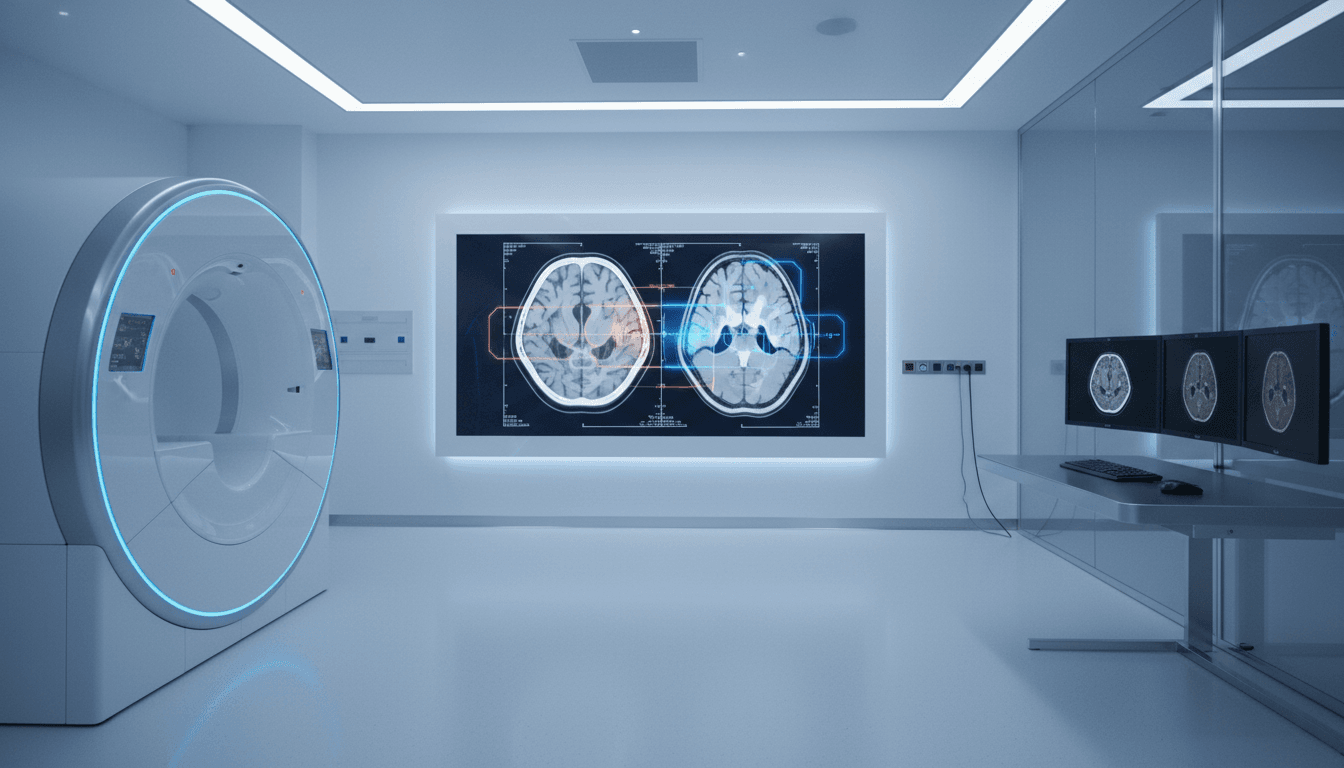
Radiology, pathology, and dermatology are being transformed by computer vision models that can detect anomalies at superhuman accuracy. But interpreting AI outputs, understanding false-positive rates, and integrating findings into clinical workflows requires AI-literate practitioners.

Drug Discovery & Clinical Trials

AI is compressing drug discovery timelines from years to months — predicting molecular interactions, optimizing trial design, and identifying patient cohorts. R&D and clinical teams need to evaluate these tools critically, not just adopt them on faith.

Health Data Governance

Patient data is uniquely sensitive. HIPAA, GDPR, and emerging AI-specific regulations create a complex compliance landscape. Teams handling health data need to understand de-identification, federated learning, and the limits of AI anonymization.

By the Numbers

The AI opportunity

The data behind AI adoption in this industry.

$188B

projected global AI in healthcare market by 2030, growing at 37% CAGR

Grand View Research — AI in Healthcare Market

94.5%

accuracy achieved by AI in detecting breast cancer from mammograms, outperforming average radiologist benchmarks

Nature — International evaluation of AI for breast cancer screening

50%

reduction in drug candidate identification time using AI-powered molecular screening

McKinsey — How AI is transforming drug discovery

Frequently Asked Questions

Common questions

Is kju.ai relevant for clinicians or just hospital administrators?

Both. Our tracks cover clinical AI applications (imaging, decision support, genomics) alongside governance and operational use cases. Clinicians learn how AI tools work so they can use them confidently; administrators learn how to evaluate, procure, and govern AI systems responsibly.

How does kju.ai address AI safety concerns in patient care?

Our AI Governance track covers bias detection, model validation, and regulatory compliance frameworks specific to healthcare — including FDA guidance on AI/ML-based Software as a Medical Device (SaMD) and the EU AI Act's high-risk classification for medical AI.

Can teams with no technical background benefit?

Absolutely. kju.ai starts from first principles and adapts to each learner's skill level. Nurses, practice managers, and non-technical staff build AI literacy through scenarios grounded in their actual workflows — no coding or data science background required.

Do you cover AI for mental health and patient engagement?

Yes. Our AI Agents and Prompt Engineering tracks include content on conversational AI for patient intake, mental health screening tools, and the ethical considerations of AI-mediated patient interactions.

Ready to Level Up on AI?

Book a personalised demo for your team.